University of Evansville Presidents (1967 - present)
Since 1967, the University of Evansville has been shaped by a succession of presidents whose leadership has guided the institution through growth and moments of transformation. Each has brought their own perspective and priorities to the role while remaining committed to the University’s enduring mission and values. Their combined leadership has strengthened the academic experience, deepened the University’s connection to its community, and helped position UE for continued success into the future.
Christopher M. Pietruszkiewicz, Esq. (2018 - current)
Christopher M. Pietruszkiewicz, affectionately known as "Prez P" on campus, began his tenure as the 24th President of the University of Evansville on July 1, 2018. Prez P has effectively guided the University through unprecedented times. During the first global pandemic in 100 years, he remained focused on the University’s future, advancing the institution with student-focused initiatives that included the building of academic and institutional programs with a goal of establishing a strong framework for sustainable growth, and further solidifying the identity and mission of the University recognizing the eighteen words that define what we do at UE: to empower each student to think critically, act bravely, serve responsibly, and live meaningfully in a changing world.
Prez P recognizes that college is much more than a degree – college prepares students for an ever-changing world by bringing academic to life through real world internships, expanded hands on learning experience inside and outside the classroom, and adding Change Lab courses allow students to follow their passion. With our faculty, staff, and community, Prez P has helped re-define the value of a college education – taking knowledge and turning it into action. He has developed a passion for linking the University with the community by creating partnerships to fulfill the responsibility of the University to enhance quality of life. Under his leadership, UE was awarded a historic $30 million Promise Neighborhood grant from the United States Department of Education, with a total investment of $62 million including matching funds. The grant was one of only three awarded in the country in 2023 and the only one awarded to a university and a city working together. Prez P also helped the institution achieve the second and third highest fundraising years in the history of the University dating to 1854, providing support for an innovative and forward-focused future.
A tax attorney, President Pietruszkiewicz worked as a trial lawyer in the Tax Division of the United States Department of Justice in Washington, DC, and as an attorney and advisor for the United States Department of Education. In 2000, he entered academia as an adjunct professor at George Mason University School of Law and in 2001, joined the law faculty at the Louisiana State University Law Center in Baton Rouge, where he later served as vice chancellor for business and financial affairs at LSU. Beginning in 2012, President Pietruszkiewicz served for six years as Dean of the Stetson University College of Law in Tampa Bay, Florida.
In Evansville, he served as a member of the Board of Directors of the Southwest Indiana Chamber of Commerce and the Economic Development Coalition of Southwest Indiana – and serves on the Board of Directors and Executive Committee of the now merged Evansville Regional Economic Partnership. He is a member of the Welborn Baptist Foundation Board of Directors, and the Rotary Club of Evansville.
President Pietruszkiewicz also serves on the NCAA Division I Board of Directors and is a member of the Finance Committee and Administrative Committee. He is the past Chair of Board of Directors of Independent Colleges of Indiana, the collective voice for excellence and choice in higher education for all students that represents Indiana’s 29 private, non-profit, regionally accredited colleges, and universities. He is an active member of the Council of Independent Colleges, the National Association of Independent Colleges and Universities, and the National Association of Schools and Colleges of the United Methodist Church. He previously served as a member of the Board of Trustees of the Law School Admissions Council and held various leadership positions in the American Bar Association, Section of Legal Education and Admissions to the Bar. Among the founding university presidents of CUSP, the College and University Sustainability Project, President Pietruszkiewicz helped to create a consortium of like-minded institutions to achieve cost-efficiency by providing a platform of high-value services that are not accessible to individual institutions.
He is married to Siobhan Pietruszkiewicz, a graduate of Georgetown University with a bachelor's degree in sociology and Spanish. She is a licensed clinical social worker with a master's degree in social work from Virginia Commonwealth University. Her experience in social work has focused on workforce development and the child welfare system, working both in clinical settings and as a researcher, grant writer, program evaluator, and instructor in college and law school, focusing on at-risk children and their families. They were both NCAA and high school basketball officials and have been strong advocates and volunteers for Special Olympics. They have two sons, Ryan (19) who is a freshman at Wake Forest University in Winston-Salem, NC and John (15), who attends Reitz Memorial High School in Evansville, IN.
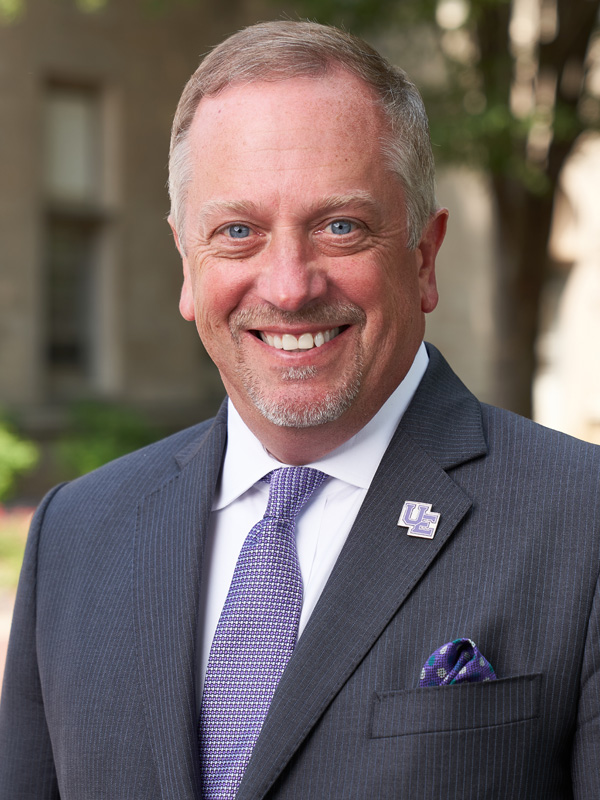
Dr. Thomas A. Kazee (President, 2010–2018)
Dr. Thomas A. Kazee, the University of Evansville’s 23rd president, served from 2010 to 2018 and guided the institution through a period of meaningful growth, both in scope and ambition. When he arrived in June 2010, UE was already known for its personalized approach to education. Over the next eight years, Kazee worked to build on that foundation by expanding academic programs, strengthening student outcomes, and positioning the University more prominently on both a national and international stage.
Academically, Kazee’s presidency was marked by the introduction of several forward-looking programs designed to meet emerging workforce needs. Among them were the Physician Assistant master’s program, the Master of Public Health, and undergraduate offerings in Statistics and Data Science. He also supported the development of a learning-in-retirement program, broadening the University’s reach beyond traditional students. At the same time, initiatives like the UE Fellows Program helped attract high-achieving students from across Indiana, contributing to a campus environment that was increasingly diverse, engaged, and academically driven.
Kazee also placed a strong emphasis on career outcomes. Under his leadership, UE became an early leader in integrating career preparation into the student experience through the Center for Career Development. This approach was reinforced by the introduction of the UE Guarantee, a distinctive commitment that ensured students access to key opportunities, including internships, study abroad, and a clear path to graduation in four years, while also addressing affordability through substantial financial aid.
Physically, the campus saw significant investment and renewal. Kazee oversaw implementation of a comprehensive facilities master plan that included construction of new student townhouses and upgrades to several of the University’s most heavily used academic spaces. The Bower-Suhrheinrich Library underwent renovation and expansion, and planning advanced for a major renovation of Hyde Hall, the University’s primary classroom building. His tenure also included the addition of the McCarthy Greenhouse and the careful relocation and restoration of the historic Peters-Margedant House to campus.
One of the defining financial milestones of this period was the largest gift in University history—a $39 million estate gift from longtime friend and benefactor William L. Ridgway. That transformative contribution provided lasting support for the institution’s future and underscored the confidence donors had in the University’s direction.
Kazee’s vision for UE extended beyond Evansville. During his presidency, the University strengthened its global identity, including continued investment in Harlaxton College, UE’s residential study abroad center in Grantham, England. Land acquisitions around Harlaxton expanded its footprint and preserved its distinctive learning environment for future generations of students.
Beyond campus, Kazee was an active voice in national higher education conversations. He served in leadership roles with organizations such as the Council of Independent Colleges, the National Association of Independent Colleges and Universities, the New American Colleges and Universities consortium, and Independent Colleges of Indiana, helping to advocate for the value of private higher education.
Before coming to Evansville, Kazee built a distinguished academic and administrative career. A political scientist by training, he spent 18 years on the faculty at Davidson College, later serving as Dean of the College at the University of the South (Sewanee). He went on to become Provost and Executive Vice President at Furman University, where he developed a reputation for thoughtful leadership and a deep commitment to undergraduate education. He earned his bachelor’s degree in political science from Baldwin-Wallace College and his Ph.D. from The Ohio State University.
Kazee often emphasized that the University’s progress during his presidency was the result of collective effort. He regularly pointed to the dedication of faculty, staff, students, and alumni as the driving force behind UE’s successes, and he maintained a leadership style that valued collaboration and shared purpose.
His wife, Sharon Kazee, was a visible and engaged presence in the Evansville community throughout his presidency. An advocate for arts and education, she served on numerous boards, including the Signature School, the Evansville Philharmonic Orchestra, St. Vincent Evansville, and the Evansville Museum. She also played a key role in founding the DaVinci Institute, an initiative focused on expanding creative learning opportunities for K–12 students and educators.
At the conclusion of the 2017–2018 academic year, Thomas and Sharon Kazee stepped away from their roles at the University and relocated to Pawleys Island, South Carolina. Their plans included travel and spending time with their children and grandchildren, closing a chapter defined by steady leadership and lasting impact on the University of Evansville.
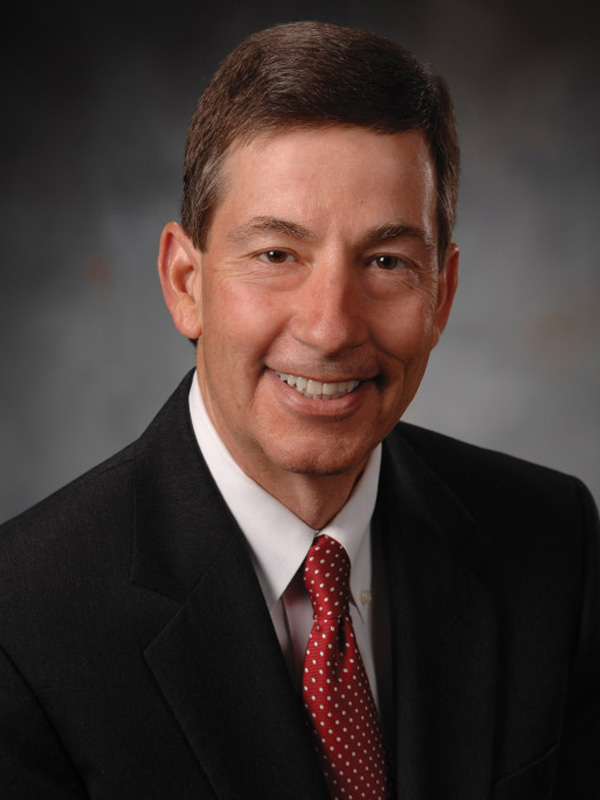
Dr. Stephen G. Jennings (President, 2002–2010)
Dr. Stephen G. Jennings served as the 22nd president of the University of Evansville, assuming office at a pivotal moment in the institution’s history. Formally inaugurated on April 9, 2002, Jennings arrived with a well-established national reputation in higher education leadership and a clear mandate from the University community: strengthen institutional identity, stabilize and grow enrollment, and advance the University’s long-range financial and strategic direction.
His selection followed an extensive national search led by a committee chaired by Robert Koch II, with support from Heidrick & Struggles International. After reviewing more than 100 candidates and hosting nine finalists on campus, the committee ultimately selected Jennings—who had not originally applied but was later nominated by R. Kevin LaGree, a successor he had previously mentored at Simpson College.
Jennings brought to Evansville a deep background in academic leadership and organizational development. A native Hoosier and son of a Presbyterian minister, he earned his bachelor’s degree in sociology from Trinity University in San Antonio, followed by a master’s in personnel counseling from Miami University in Ohio, and a Ph.D. in human development and higher education administration from the University of Georgia. He also completed executive study at Harvard University’s Institute for Educational Management. His academic contributions were further recognized through honorary doctorates from both Simpson College and the College of the Ozarks.
Before coming to UE, Jennings had already served as president of multiple institutions, including Oklahoma City University, Simpson College, and the College of the Ozarks. His career also included administrative roles beginning in the early 1970s, along with extensive service as an evaluator for the North Central Association of Colleges and Schools and as a consultant on leadership, motivation, and higher education management. He was widely published, delivered more than fifty presentations at national and regional conferences, and was regularly listed in Who’s Who in America. His professional recognition included alumni awards from both Miami University and the University of Georgia.
At the University of Evansville, Jennings articulated three primary goals for his presidency: improving the University’s public image, developing a comprehensive strategic plan with an emphasis on enrollment growth, and completing the “Widening the Circle” capital campaign initiated under his predecessor. These priorities reflected both immediate institutional needs and longer-term aspirations for the University’s trajectory.
Jennings assumed leadership at a time when UE faced significant challenges, including declining enrollment and a strained relationship with portions of the surrounding community. Early in his tenure, he moved quickly to address both perception and engagement. One of his most visible symbolic changes was the replacement of the solid wood door to his office in Olmsted Administration Hall with a glass one—an intentional signal of transparency and accessibility. He also instituted weekly open office hours, reinforcing a leadership style grounded in approachability and direct engagement with students, faculty, and staff.
A key feature of his administration was the creation of a broad-based strategic planning process. Jennings convened students, faculty, staff, trustees, alumni, and community members, supported by external consultants, to examine the University’s mission, operations, and future direction. The process resulted in a focused set of institutional goals designed to strengthen academic quality, improve financial sustainability, and enhance the overall student experience.
Throughout his presidency, Jennings emphasized what he described as “servant leadership,” a philosophy he highlighted during his inaugural address. He frequently returned to the idea that effective leadership begins with listening, accessibility, and a commitment to serving others before directing them. That approach shaped both his administrative style and his early efforts to rebuild trust and momentum within the University community.
By the end of his tenure, Jennings was recognized for helping stabilize enrollment trends, reestablishing a more visible presidential presence on campus, and laying groundwork for subsequent strategic and fundraising efforts that would continue under later leadership.
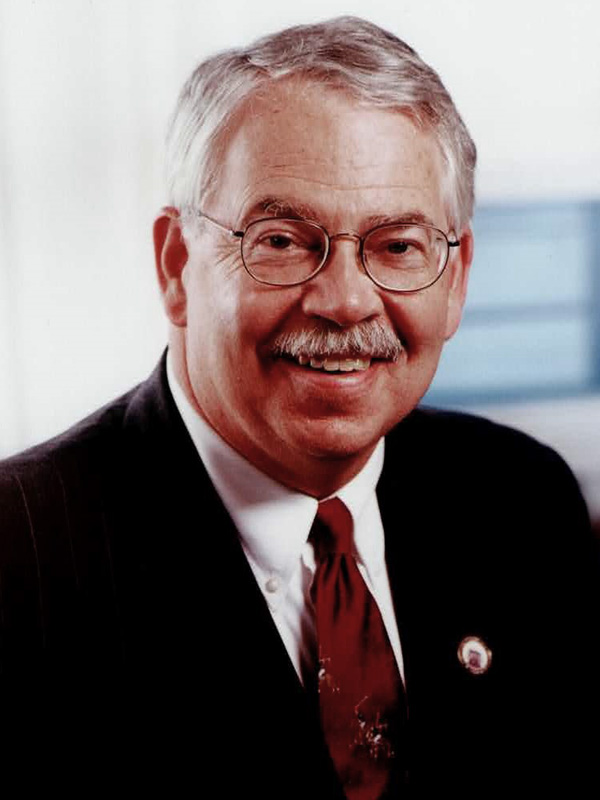
Dr. James S. Vinson (President, 1987–2001)
Dr. James S. Vinson served as the 21st President of the University of Evansville, leading the institution from 1987 to 2001 during a period of significant financial stabilization and long-term institutional strengthening. Selected following a national search that drew more than 150 applicants, Vinson emerged as the clear choice of the search committee, recognized for his academic leadership, steady temperament, and commitment to undergraduate education.
At the time of his arrival, the University faced serious financial challenges, including operating deficits and an endowment that stood at approximately $11 million. Early in his presidency, Vinson focused on restoring fiscal health and building a foundation for sustainable growth. Under his leadership, the University consistently operated in the black, often with surpluses, and the endowment grew substantially to approximately $60 million by the end of his tenure. These gains reflected a disciplined approach to budgeting and long-term stewardship.
Beyond financial recovery, Vinson worked to sharpen the University’s academic identity. He emphasized UE’s role as a residential liberal arts and sciences institution centered on undergraduate education. That focus helped strengthen the student experience and reinforced the University’s commitment to close faculty-student engagement and a campus-based learning environment.
A physicist by training, Vinson also maintained an active connection to teaching throughout his presidency. He regularly taught introductory physics courses, often beginning his mornings in the classroom before moving into the responsibilities of the presidency. That presence reflected a leadership style grounded in accessibility and a continued belief in the core academic mission of the University.
Prior to arriving in Evansville, Vinson built a distinguished academic career that included leadership roles at Trinity University, where he served as Vice President for Academic Affairs, and at the University of Hartford, where he was Dean of the College of Arts and Sciences. Earlier in his career, he held faculty and administrative positions at the University of North Carolina at Asheville and MacMurray College. He earned his bachelor’s degree in physics from Gettysburg College and completed graduate study in physics at the University of Virginia.
Vinson was widely engaged in higher education and professional organizations, including service with the American Council on Education, the American Association for Higher Education, and multiple scientific associations. He also contributed to civic and corporate boards in the region, reflecting a strong connection between the University and the broader Evansville community.
His presidency was also marked by a continued emphasis on international perspective and personal curiosity. Known for his extensive travels across all seven continents, Vinson brought a global outlook to his leadership and encouraged a broader view of education and experience.
Following his retirement in 2001, Dr. Vinson concluded a 14-year presidency defined by financial recovery, academic clarity, and steady institutional leadership. He and his wife, Susan, remained connected to both education and community life, with their family continuing to reflect strong ties to service and professional achievement.
Dr. Vinson passed away on June 27, 2025, at the age of 84.
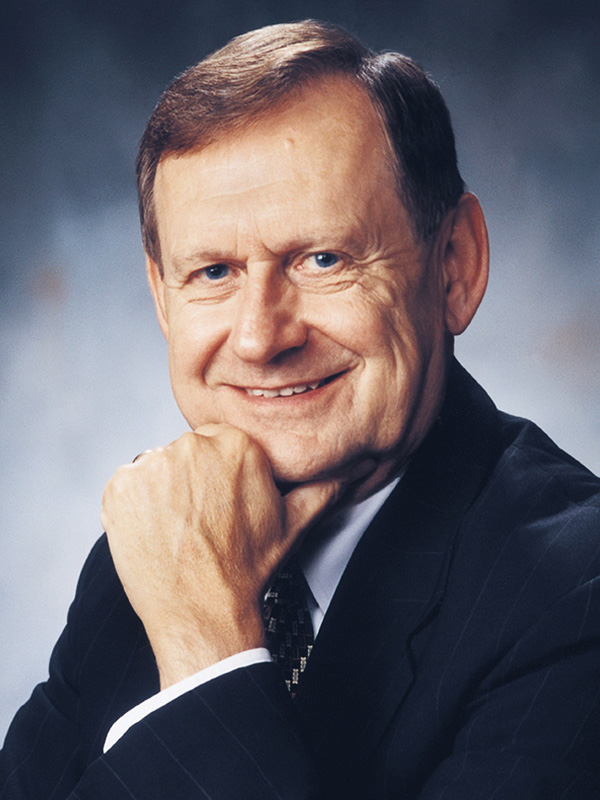
Dr. Wallace B. Graves (President, 1967–1987)
Dr. Wallace B. Graves became the first president of the newly formed University of Evansville in January 1967, following a national search that identified him as the ideal leader to guide the institution into a new era. At the time of his selection, Graves was serving as Academic Vice President at the University of the Pacific in Stockton, California, where he oversaw academic programs across multiple colleges as well as key areas of enrollment, student life, and institutional budgeting.
A native of Fort Worth, Texas, Graves earned his undergraduate degree in political science from the University of Oklahoma, later completing a master’s degree at Texas Christian University and a doctorate at the University of Texas. His academic career included faculty and administrative roles at DePauw University, Texas Wesleyan College, and the University of the Pacific. Across these positions, he developed a reputation for both strong teaching and broad administrative leadership, having worked in classrooms, student affairs, academic planning, and financial management.
Graves brought that full range of experience to Evansville at a formative moment in the University’s history. As its first president, he guided the University through its early years of development, helping establish academic structures, administrative systems, and a clear institutional mission. His leadership emphasized adaptability and long-term planning as the University navigated a rapidly changing higher education landscape.
Early in his presidency, Graves faced two defining challenges: external competition from a newly established public university in Evansville and the internal work of building a unified private institution with a clear mission. In response to the changing educational landscape, he helped guide a pragmatic approach that maintained the University’s independent identity while also exploring areas of collaboration, including shared coursework and joint studies focused on regional educational needs.
During his tenure, the University also expanded its global presence through the acquisition of Harlaxton College in Grantham, England. That milestone established what would become one of UE’s most distinctive academic programs and a defining element of its international identity.
His presidency also included moments of profound challenge. In 1977, the University community was deeply impacted by the tragic plane crash in Evansville that claimed the lives of members of the UE Men’s Basketball team, coaching staff, and supporters. Graves’ leadership during that period was marked by a steady presence and a commitment to supporting students, families, faculty, and the broader community as the University endured an unimaginable loss.
One of the most significant initiatives during his tenure was participation in a major regional study supported by the Lilly Endowment and conducted by the Battelle Center for Improved Education. The study examined long-term structural options for higher education in the Tri-State area and ultimately recommended closer integration between institutions. While the University of Evansville ultimately continued as a separate institution, the work reflected Graves’ willingness to engage in long-range planning and regional collaboration.
Over the course of two decades, Graves led the University through foundational growth, helping establish administrative structures, academic priorities, and institutional stability. His leadership set the tone for the presidents who followed, shaping UE’s early identity as a private, student-centered university committed to academic rigor and service to the region.
Dr. Graves concluded his presidency in 1987, leaving behind a University that had moved from its formative beginnings into a stable and established institution with a clear sense of purpose and direction.
Dr. Graves passed away on August 18, 2011 at age 89.
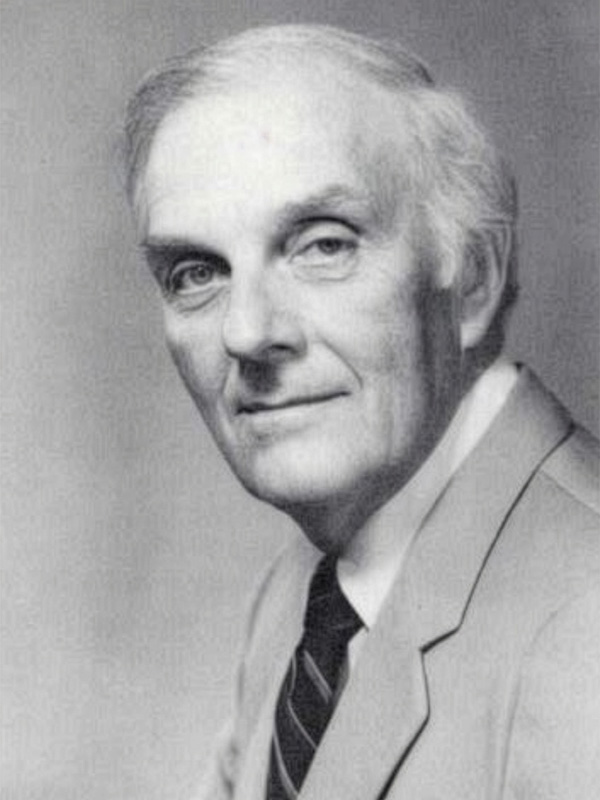
Evansville College (1919 - 1967)
- Dr. Melvin W. Hyde (1955 - 1967)
- Dr. Lincoln B. Hale (1940 - 1954)
- F. Marian Smith (1937 - 1939)
- Charles E. Torbet (acting president 1936)
- Dr. Earl E. Harper (1927 - 1936)
- Alfred Franklin Hughes (1919 - 1927)
Moore's Hill College (1854 - 1919)
- Alfred Franklin Hughes (1916 - 1919)
- Dr. Bigney (acting president 1915 - 1916)
- Harry Andrews King (1909 - 1915)
- William S. Bovard (1908 - 1909)
- Dr. Frank Clare English (1904 - 1908)
- (third term) Dr. John H. Martin (1903 - 1904)
- Charles Willard Lewis (1897 - 1903)
- (second term) Dr. John H. Martin (1890 - 1897)
- George P. Jenkins (1887 - 1890)
- Rev. Louis G. Adkinson (1882 - 1887)
- (second term) John P. D. John (1880 - 1882)
- Dr. John H. Dodderidge (1879 - 1880)
- John P. D. John (1876 - 1879)
- Rev. Francis Asbury Hester (1872 - 1876)
- Dr. John H. Martin (1870 - 1872)
- Thomas Harrison (1864 - 1870)
- William O. Pierce (1862 - 1864)
- Robert F. Brewington (acting president 1862)
- Samuel Rogers Adams (1856 - 1862)
Office Phone
812-488-2000 (Switchboard)
Office Email
uerelations@evansville.edu
Office Location
1800 Lincoln Ave. Evansville Indiana 47722
